How a Premium Font Can Transform Your Brand Identity
You’ve spent hours perfecting your logo, choosing your color palette, and crafting your brand voice. But there’s one element that often gets overlooked until the very end, yet it holds immense power over how your audience perceives you: typography. The right typeface doesn’t just display words; it communicates personality, builds trust, and creates a cohesive visual language across every touchpoint. For designers, entrepreneurs, and content creators, finding a font that balances aesthetic appeal with functional versatility is like striking gold. It becomes the silent ambassador of your brand, working tirelessly on your website, social media, packaging, and marketing materials to create an instant, recognizable impression.
The Anatomy of a Versatile Display Font
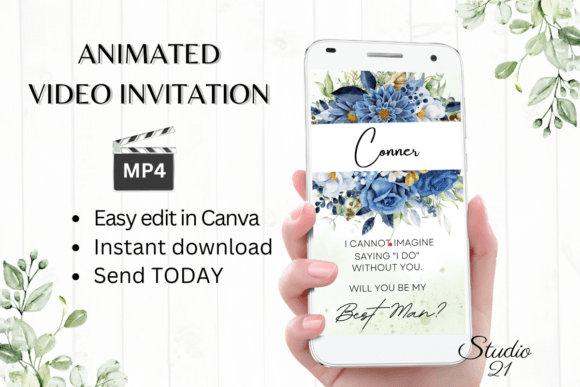
Take a typeface like the one found in the Digital Best Man Proposal W3146BM design assets. At first glance, it’s a striking display font, perfect for grabbing attention in headlines or on social media graphics. Its visual appeal lies in its confident letterforms, which likely blend modern sensibilities with a touch of classic elegance—making it suitable for a range of projects from sophisticated editorial layouts to dynamic digital products. A well-crafted display font like this isn’t just about looking good; it’s about creating a specific mood. It can evoke professionalism, creativity, warmth, or innovation, setting the stage for your entire visual identity before a single line of body copy is read.
The real value, however, lies in its application across different mediums. Imagine using this typeface for your brand’s logo. Its distinctive character ensures your mark stands out in a crowded marketplace. Then, carry that same font into your packaging design to create a seamless unboxing experience. Use it for impactful poster headlines, the title of your next e-book, or the hero text on your website’s landing page. Because it’s a premium font, it comes with the weight and clarity needed for professional presentation, ensuring your designs look polished whether they’re viewed on a retina display or printed on textured paper. This level of consistency is what separates amateur projects from professional brand identities.
Practical Pairings and Readability in Real-World Projects
No font is an island. The true test of a creative font’s utility is how well it plays with others. A bold, expressive display typeface needs a reliable partner for longer blocks of text. This is where understanding font pairing becomes crucial. For instance, the strong personality of the Digital Best Man Proposal font would pair beautifully with a clean, neutral sans-serif for body copy. The contrast creates visual hierarchy, guiding the reader’s eye effortlessly from headline to message. Alternatively, pairing it with a simple serif can lend a more traditional, editorial feel to projects like blogs or print materials.
Readability should always be your north star. While a script or handwritten font might be perfect for a wedding invitation or a boutique logo, it would likely fail on a website’s navigation menu. When selecting a typeface, consider your primary use case. Is it for large-scale posters where intricate details can shine? Or for mobile-first web design where clarity at small sizes is paramount? Always test your chosen font in context. View it on different devices, print a sample, and ensure the text effects you apply—like letter spacing or color—enhance rather than hinder legibility. The goal is to improve audience engagement, and that starts with making your content effortlessly readable.
Beyond the Logo: Integrating Typography into Your Marketing Ecosystem
Your brand’s typography should be a consistent thread woven through every piece of content you create. This extends far beyond your logo and website. Think about your social media graphics. Using the same distinctive font for all your Instagram posts, Facebook ads, and Pinterest pins creates instant recognition in a fast-scrolling feed. It transforms your content from generic to branded, building a visual library that your audience begins to associate with your unique voice.
Consider the full spectrum of your marketing assets. Email newsletters, digital presentations, webinar slides, and even internal documents all benefit from a coherent typographic strategy. Using a premium font family that includes multiple weights (light, regular, bold) gives you the flexibility to create nuanced designs while maintaining strict brand consistency. This professional presentation signals to clients and customers that you pay attention to detail, building subconscious trust in the quality of your products or services. It’s a subtle yet powerful form of brand recognition that works on a psychological level.
Making the Right Choice for Your Creative Projects
Choosing a font is a strategic decision. Start by defining the personality of your project or brand. Is it modern and minimalist? Playful and energetic? Luxurious and elegant? Look for typefaces that embody those traits. Review the included font styles and glyphs. Does it offer the versatility you need? For commercial projects, always verify the licensing. A commercial font license is essential if you plan to use the work in client projects, merchandise, or products for sale. This ensures you’re legally protected and supporting the designers who create these valuable tools.
Ultimately, the best font is the one that disappears into the design, letting your message shine while simultaneously elevating it. It should feel intuitive and right for the job. Whether you’re designing a wedding invitation, launching a new product, or building a personal blog, investing in high-quality typography is an investment in your brand’s future. It’s the foundation upon which memorable visual communication is built, helping you connect with your audience in a clear, professional, and aesthetically compelling way. The right choice doesn’t just decorate your words—it defines your presence.