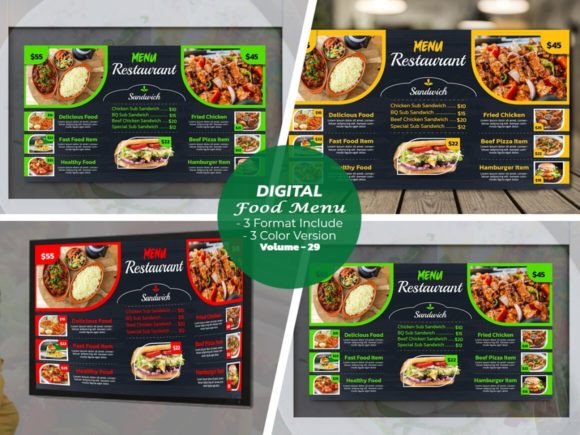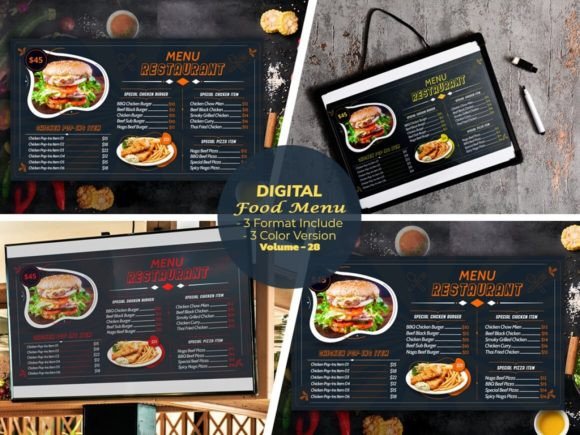
Dining Reimagined: The Digital Menu Creator
Imagine walking into a high-end bistro where the lighting is dim, the music is perfect, and the aroma from the kitchen is intoxicating. You sit down, ready for an experience, but instead of a sticky, laminated sheet of paper or a heavy leather-bound book that has seen better days, you are presented with a sleek, vibrant, and interactive display. This is the new standard in the hospitality industry. The shift from static print to dynamic digital assets is not just a trend; it is a necessary evolution for restaurants wanting to stand out in a crowded market. We have developed a solution specifically for this transition: a comprehensive digital menu creator that allows you to craft a visual identity as refined as your cuisine.
The Visual Language of Appetite
Food is inherently visual. Before a guest takes a bite, they eat with their eyes. This psychological trigger is the foundation of our new product. This collection of assets is designed to bridge the gap between a chef's vision and a designer's execution. It is not merely a list of items; it is a full branding toolkit. The aesthetic leans heavily into clean, contemporary lines while maintaining the warmth required to make food look delicious. It combines the sophistication of a premium design asset with the functionality required for the fast-paced restaurant environment.
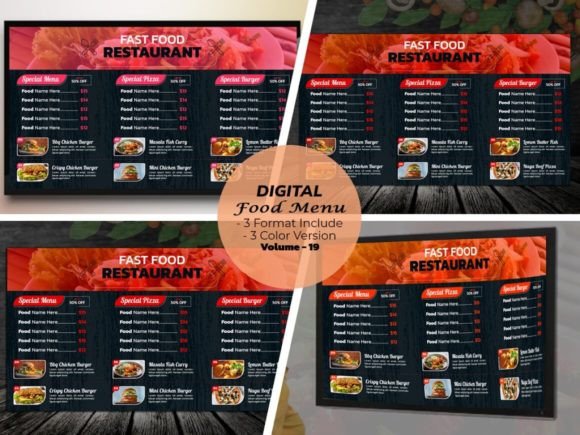
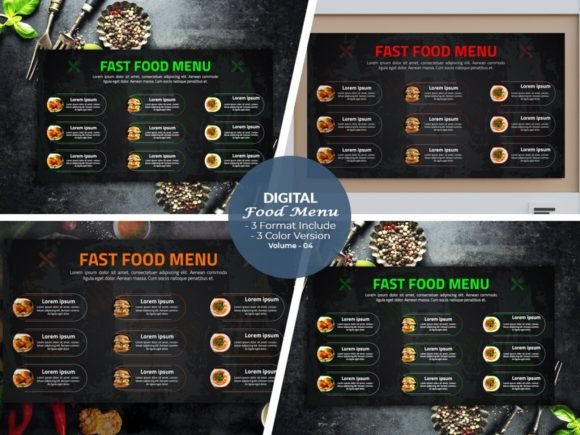
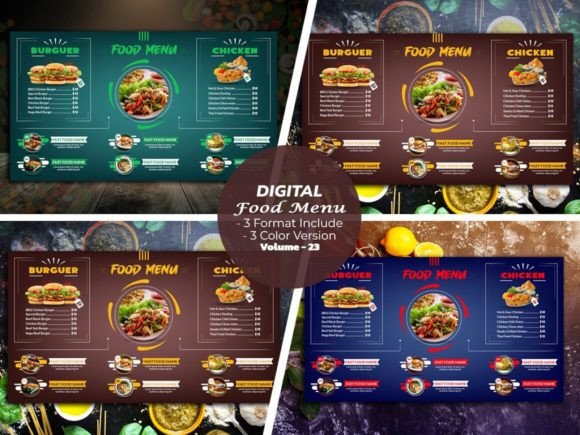
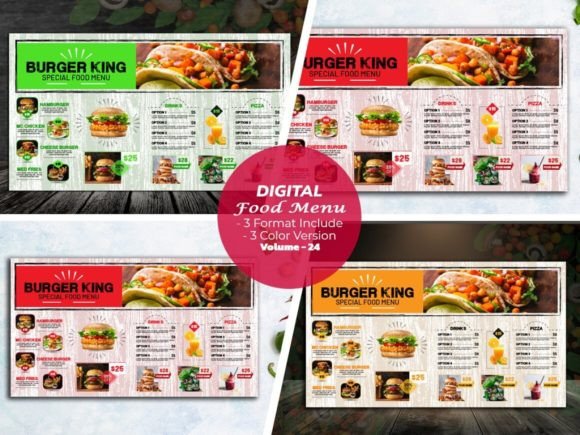
What makes this product particularly compelling is the flexibility it offers. We understand that a rustic Italian trattoria needs a vastly different vibe than a futuristic sushi bar. That is why the package includes 28 fully editable files across various formats—AI, EPS, and PDF. This ensures that whether you are a seasoned graphic designer comfortable with vector paths or a restaurant owner looking for a plug-and-play solution, you have the tools at your disposal. The color theory applied to the default layouts is intentional, utilizing palettes that stimulate hunger—think rich reds, earthy greens, and appetizing neutrals—but the system is built so that you can override these with your own brand colors in seconds.
Technical Specs for the Modern Designer
For the creatives who care about the nuts and bolts, the technical specifications of this digital menu creator are built to professional standards. The files are rendered at a crisp 1920x1080 resolution at 300 DPI. This high resolution ensures that whether you are displaying this on a wall-mounted screen behind the bar, a tablet handed to guests, or a projector screen in a private dining room, the text remains sharp and the food photography pops with clarity.
Compatibility is rarely a given in the design world, but we have prioritized it here. The templates are optimized for Adobe Illustrator, supporting versions from CS6 all the way through the CC2021+ ecosystem. This backward compatibility means you do not need the absolute latest software subscription to achieve a cutting-edge look. Furthermore, we have tackled one of the biggest headaches in digital design: fonts. Every font used in the preview is linked to Google Fonts, meaning they are free to download and use commercially. The download file includes a detailed list of the typefaces used, ensuring you can replicate the exact typography seen in the demo without hunting for obscure paid scripts.
Practical Applications Beyond the Menu
While the primary function is food menu creation, the versatility of this asset pack extends far beyond the table. In today's hospitality market, a restaurant is a brand, not just a place to eat. The visual elements contained in these 28 files can be repurposed to create a cohesive brand identity across multiple touchpoints.
- Social Media Marketing: Use the editable templates to create Instagram stories or Facebook ads that announce new dishes or happy hour specials. The modern typography ensures your posts look professional and stop the scroll.
- In-Store Signage: Adapt the layouts for digital signage screens. A "Daily Specials" board that updates instantly without printing costs is a massive operational advantage.
- Website Integration: Export sections of your menu as high-quality graphics for your website, ensuring your digital presence matches the in-venue experience.
- Promotional Materials: If you are hosting a wine tasting or a private event, you can quickly mock up invitations or flyers using the same design language, maintaining visual consistency across all communications.
Customization: The Ultimate Design Freedom
One of the most significant barriers to entry for high-quality design is the rigidity of templates. Too often, a "customizable" template actually requires advanced technical knowledge to alter. We have stripped away that complexity. The architecture of these files is modular. You can combine elements as you wish—mixing layout styles, swapping image placeholders, and adjusting text blocks to fit your specific content needs.
Consider the process of seasonal menu updates. Traditionally, this involves calling a printer, waiting for proofs, and paying for reprints. With this digital creator, you simply open the file, change the text for the new season's ingredients, adjust the color scheme to match the mood (perhaps cooler blues for winter, vibrant yellows for summer), and export. The "active look" of the design ensures that the layout never feels static or dated. It is a living document that evolves with your restaurant.
Typography and Readability in a Dining Context
Typography in a restaurant setting faces unique challenges. Lighting is often low, and guests may be viewing screens from various angles. Therefore, the choice of typeface is critical. This product utilizes a blend of sans-serif and serif fonts that have been tested for legibility on digital screens. The hierarchy is clear: dish names are bold and distinct, descriptions are readable but secondary, and prices are discreet yet accessible.
When you customize the colors, it is important to keep contrast in mind. While a neon green text on a black background might fit a cyberpunk aesthetic, it can be difficult to read for longer periods. The default color versions included in the pack are designed with accessibility in mind, ensuring that your menu is not just beautiful, but usable for everyone. This attention to user experience (UX) design principles is what separates a standard template from a professional design asset.
Why Digital Assets are the Future of Hospitality
The restaurant industry is moving towards agility. Menus change based on ingredient availability, pricing fluctuations, and customer feedback. A digital menu system allows for this agility. But agility should not come at the cost of style. By using a high-quality design system like this, you ensure that your brand remains consistent and polished, even when the content is changing rapidly.
This product is an investment in your brand's visual infrastructure. It is not just for the opening week; it is for the daily operations of running a modern food establishment. From the marketing manager creating ads to the general manager updating the nightly specials, this tool empowers your entire team to produce professional-grade graphics without the need for a dedicated design agency for every small change.
Ultimately, this is about giving your food the stage it deserves. A beautifully plated dish presented on a cluttered, poorly designed menu loses its impact. Conversely, a simple dish can feel elevated when presented within a sophisticated, modern digital framework. It is the marriage of culinary art and graphic design, resulting in a dining experience that is memorable from the first glance to the last bite.